
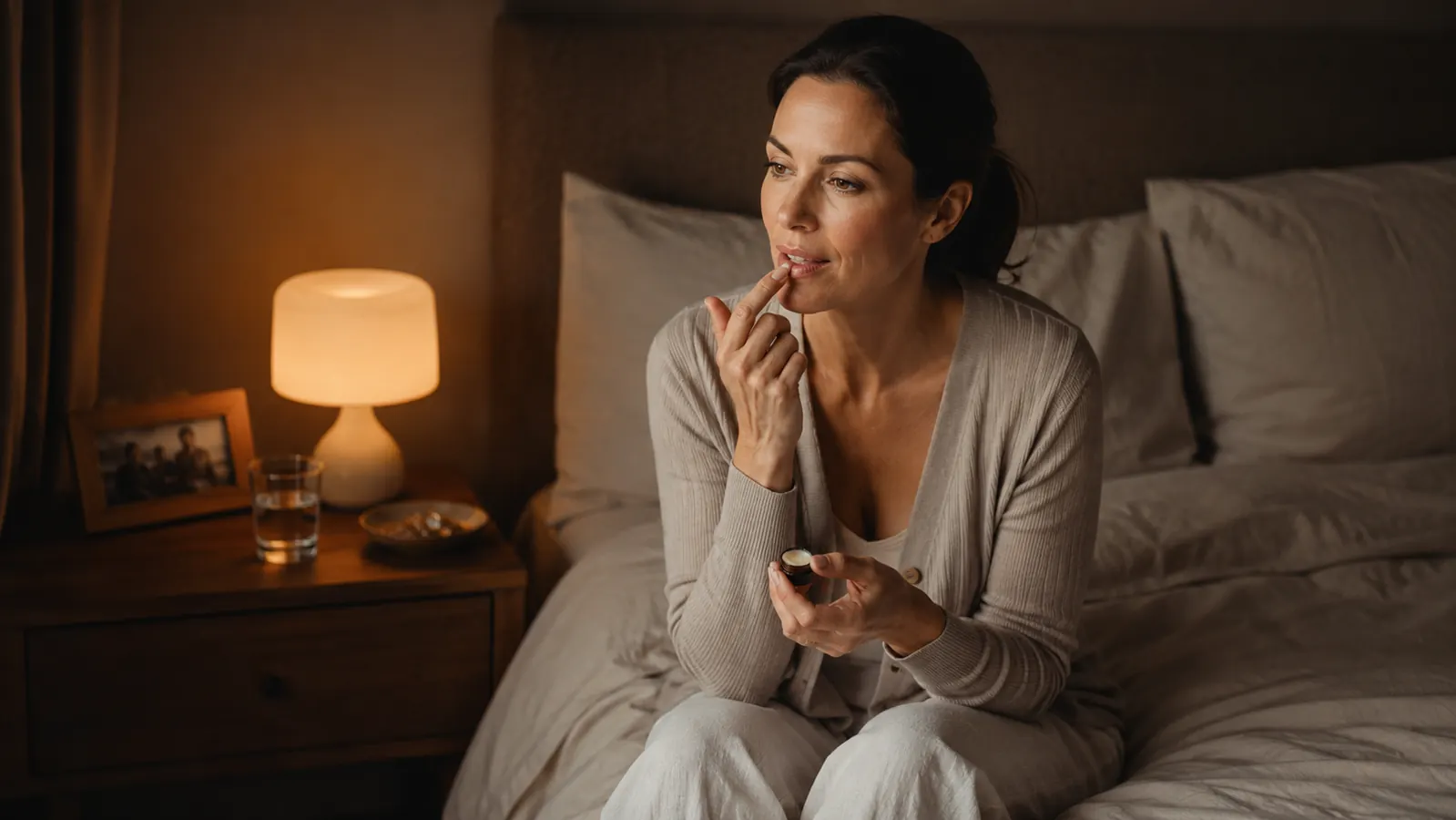
I've driven a truck for eleven years, and my lips have been cracked for most of them. Sleeper cab heaters pull every bit of moisture out of the air, and I used to go through a tube of drugstore chapstick every week or so just to keep my bottom lip from splitting at the corner by the time I hit Nebraska. On April 8th I started using Laneige Lip Sleeping Mask every night before I climbed into the bunk, and I kept it up for the next three months straight, through a cold snap in the Dakotas and a stretch of desert driving in July that dried me out just as badly in the opposite direction. This is what showed up, night after night, not a two-week first impression.
I want to be upfront that I was skeptical going in. A jar of lip balm that costs more than a case of the stuff I usually buy at a truck stop felt like a gimmick, and "sleeping mask" sounded like marketing dressed up for a product category that's really just chapstick. What changed my mind wasn't one dramatic morning. It was three months of not reaching for a tube in my cupholder every twenty minutes, which for me is close to a miracle.
The Quick Verdict
A genuinely different approach to lip repair that outperforms regular chapstick for chronic dryness. Not a fix for split skin or cold sores, but the best overnight routine I've found in over a decade of driving.
Amazon Check Today's Price →Tired of reapplying chapstick every twenty minutes just to keep up?
Laneige Lip Sleeping Mask is built to work while you sleep, sealing in moisture with shea butter and an antioxidant berry complex instead of asking you to reapply all day. Check today's price on Amazon and see if it breaks the cycle for you too.
Amazon Check Today's Price on Amazon →How I've Used It
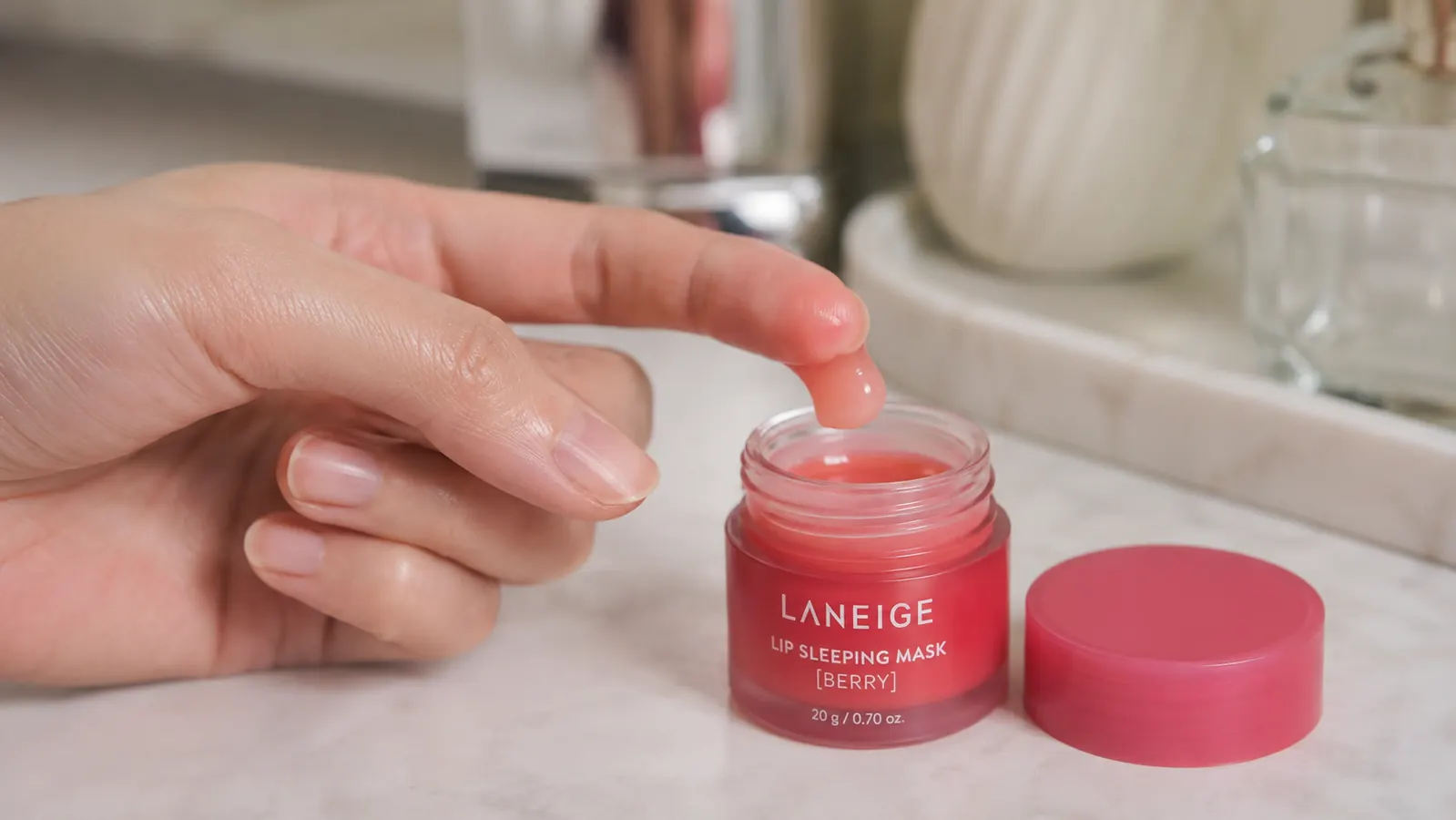
My routine is about as simple as it gets. Every night before I settle into the bunk or, on home weeks, before I turn off the lamp, I scoop a small amount out of the jar with my pinky finger, warm it between my fingertip and my lips, and pat it on rather than rubbing it in hard. That's it. No exfoliating scrub beforehand most nights, though I started doing a gentle sugar scrub about once a week around the one-month mark once I read that flaky, dead skin can sit on top of the product and block it from actually sinking in.
I tracked this in a note on my phone starting week one, mostly out of habit from logging fuel stops and delivery times. I rated cracking and peeling on a rough one-to-five scale every morning, same time, same bathroom mirror at the truck stop or at home, and I counted how many times a day I reached for a backup chapstick. That second number turned out to be the most honest measurement I had.
I also snapped a quick close-up photo of my lips most Sunday mornings, same window light, same angle, mostly so I wouldn't be able to talk myself into progress that wasn't really there. Scrolling back through those photos around week ten was the first time the change felt undeniable instead of something I was hoping was true. The corner splits that used to show up in nearly every photo from January through March had simply stopped appearing by early June.
I didn't change my water intake, my diet, or my regular face moisturizer during this stretch, and I kept using the same lip balm brand for daytime touch-ups the whole three months so I wasn't accidentally testing two products at once. Driving routes stayed mixed between dry mountain passes and humid stretches through the South, which if anything made the results harder to fake, since the weather wasn't cooperating with me.
What's Actually In It, and Why It Matters for Chronically Dry Lips
The formula centers on shea butter, hydrogenated polyisobutene, and a berry-derived antioxidant blend, plus a small dose of vitamin C in the form of ascorbyl glucoside. The shea butter and polyisobutene are doing the heavy lifting here, they're both occlusive, meaning they sit on top of the skin and lock moisture underneath instead of evaporating off within the hour the way a waxy stick balm often does. That's the actual difference between this and the chapstick I'd been buying for a decade, not the packaging or the price.
Regular chapstick works by feel, you reapply when it feels dry again, which for me was every fifteen to twenty minutes behind the wheel. A sleeping mask works by sitting undisturbed for six to eight hours while you're not talking, eating, or wiping your mouth on a napkin, which is exactly the kind of uninterrupted stretch that a heavier occlusive formula needs to actually repair the skin barrier instead of just coating it.
The vitamin C derivative is a smaller player, similar to how niacinamide behaves in a rinse-off cleanser. It's not doing dramatic brightening work in an overnight balm you're not even measuring dosage on, but I noticed my lips looked less dull and grayish by month two, and I'm willing to give the formula some credit rather than assuming it's all shea butter.
One thing I didn't expect: the texture holds up under a lot of talking, and talking on the CB and to dispatch is a big part of my day. A lot of heavier balms I've tried before either flake off in little white bits at the corners of my mouth by midday or need constant licking to feel comfortable, and licking your lips is one of the fastest ways to make dryness worse. This one, applied at night, was still doing something noticeable by the following evening, which told me it wasn't just sitting on the surface.
How My Lips Changed Over 3 Months
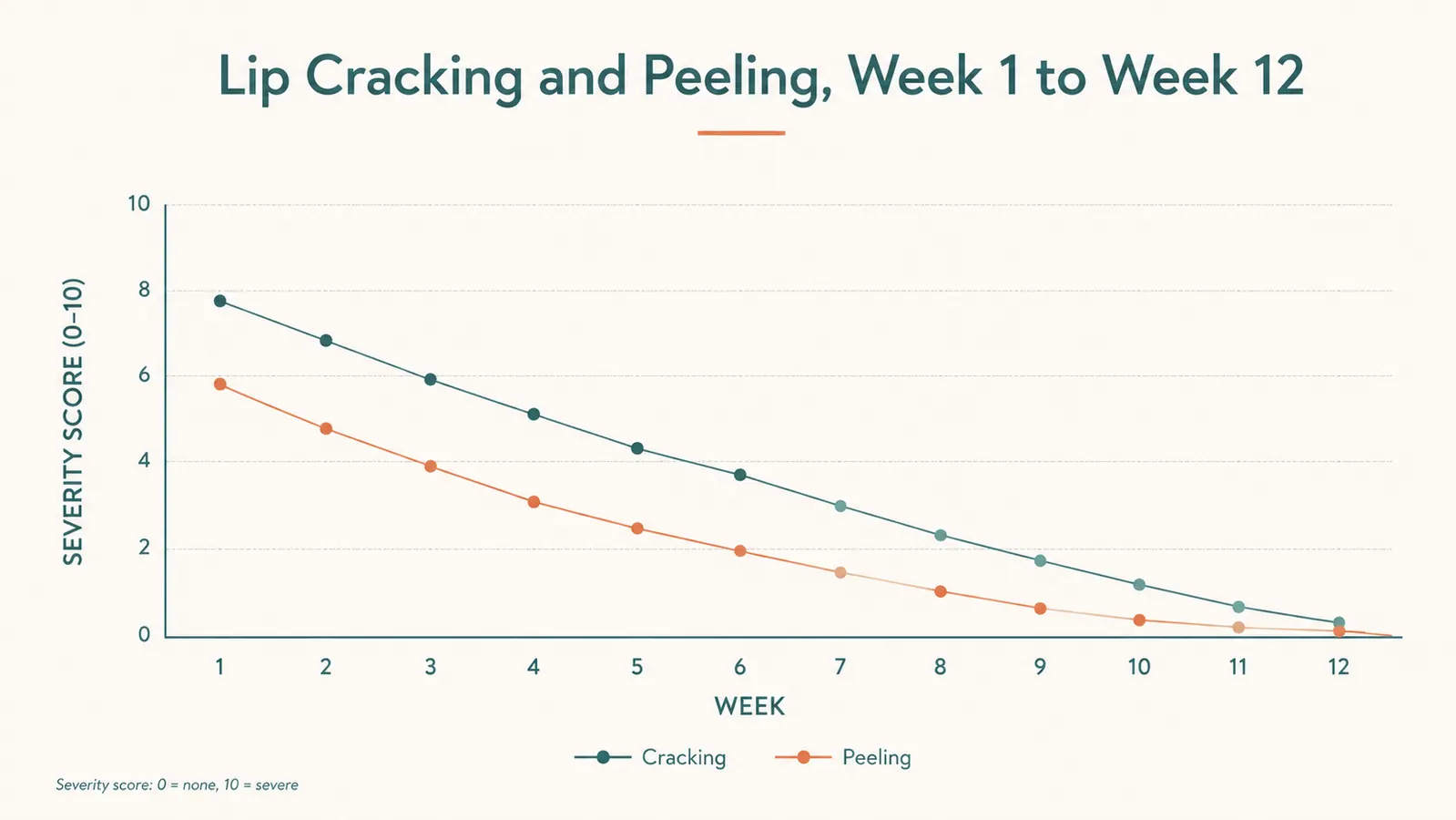
Week one, I noticed the texture more than any real change. It's thicker than a gel and lighter than Vaseline, somewhere in between, and it stayed put on my lips overnight instead of transferring to my pillow the way some balms do. My cracking score, sitting around a four out of five most mornings when I started, barely moved that first week.
By week three the corner of my bottom lip, which had a semi-permanent split for years, stopped reopening every time I yawned wide or bit into something. That was the first change I actually trusted, because it wasn't subjective, it was a specific spot I'd been babying with medicated ointment for ages finally staying closed for more than a day or two.
Weeks six through nine were the most consistent stretch. My daytime chapstick reaches dropped from roughly six or seven times a shift to maybe two, usually right after eating or drinking coffee. My cracking score settled around a one or two most mornings, and the flaky, papery texture I'd had across my whole lower lip for years had mostly evened out. I still got dry patches during the driest desert stretches in July, but they were minor and gone within a day instead of building up over a week.
There was a rough patch around week five I should mention, because a long haul through a stretch of high-altitude cold left my lips more chapped than they'd been since I started. I almost chalked the product up as a failure right there. What actually happened, once I looked back at my notes, was that I'd been so consistent for a month that I'd stopped drinking as much water on that particular run. It was a good reminder that even a strong overnight product isn't a total substitute for the basics.
By month three, my lips had settled into a new normal that honestly surprised me. My husband mentioned at a cookout in June that I'd stopped picking at my lips, a habit I didn't even realize I still had until he pointed out I wasn't doing it anymore. That's the kind of outside confirmation that means more to me than my own notes app.
Who This Sleeping Mask Is Actually Built For
This is a product for people whose lips are chronically dry, not just occasionally chapped in the dead of winter. If you've been stuck reapplying balm every twenty to thirty minutes and it still feels like you're losing ground, that's exactly the cycle an occlusive overnight formula is designed to interrupt. It's also a strong fit for anyone who sleeps in dry air on a regular basis, whether that's a truck cab heater, a forced-air furnace, or an airplane a few times a month for work.
It's a fair pick for people who wear matte lipstick often too, since that formula pulls moisture out of lips over a full workday and this gives them a real chance to recover overnight instead of starting each morning already behind. I wouldn't reach for it as a treatment for an actual wound or split skin from cold sores, that's a different problem that needs a medicated product, not a cosmetic balm.
The Tradeoffs Nobody Mentions
First, it comes in a jar, not a stick or a tube, which means you're either using a fingertip or the small spatula that comes in the box. For someone used to twisting up a chapstick with one hand at a stoplight, this is a genuine adjustment, and it's not something you can do quickly without pulling over or waiting until you're parked for the night.
Second, the scent is a noticeable berry, sweet and fairly strong right when you apply it. I don't mind it, but I know people who find fragranced lip products irritating, and if that's you, this isn't fragrance-free and won't work for you regardless of how well the formula performs otherwise.
Third, it took a good three weeks before I noticed a real, sustained difference, and the first several nights it felt almost too light for how dry my lips were. If you're expecting overnight repair on night one the way the name implies, you'll likely be disappointed and might give up before it has a real chance to work.
Fourth, and this is the one I think matters most: it did nothing for the actual split skin I used to get at the very corner of my mouth during the harshest cold snaps. That needed a medicated ointment to close up first. This is a maintenance and prevention product, not a wound treatment, and I think reviews that promise it fixes everything are setting people up for disappointment.

What I Tried Before This
Before this I cycled through basic medicated chapstick for years, the kind with menthol that gives you a cooling tingle and feels like it's working in the moment. It never lasted more than twenty or thirty minutes for me, and I genuinely think the menthol was making things worse over time by drying my lips out further between applications, which is a common complaint I've since read about that ingredient.
I also went through a long Vaseline phase, which held moisture in reasonably well but felt heavy and greasy on the steering wheel, and did nothing to actually repair the cracked skin underneath, it just coated it. Between the two, I'd landed on a routine that managed the symptom without ever touching the actual problem, which is the trap I think a lot of chronically dry-lipped people are stuck in without realizing it.
There was also a short stint with a honey-based balm a coworker swore by, which smelled nice and felt fine going on but never seemed to do much beyond the first hour. I mention it because I think a lot of people, myself included, end up rotating through three or four products over the years without ever isolating which one actually did anything, and that's part of why I tracked this one so carefully.
What I Liked
- Genuinely reduces cracking and the constant twenty-minute reapply cycle
- Shea butter and polyisobutene actually seal moisture in overnight, not just coat the surface
- Comfortable, non-waxy texture that doesn't transfer heavily onto a pillow
- Doubles well as a base under matte lipstick during the day
- One jar lasts a long time since a small dab goes a long way
Where It Falls Short
- Jar format means a fingertip application, not a quick one-handed stick
- Strong berry scent that won't work for fragrance-sensitive users
- Takes two to three weeks before you notice a real difference
- Won't heal actual split skin or cold sores on its own
It stopped me chasing my own lips with chapstick every twenty minutes, and that alone made the whole day feel different.
Who This Is For
If you're stuck in the cycle of reapplying balm every half hour and it never feels like enough, or you sleep in dry heated or recycled air on a regular basis, this is worth the switch. It's also a smart pick for anyone who wears matte lipstick often and wants their lips to actually recover overnight instead of starting each day already dehydrated.
Who Should Skip It
If you have actual split or bleeding skin, a medicated ointment needs to close that up first, this is a maintenance product, not a wound treatment. And if fragrance in lip products bothers you or you strongly prefer a stick over a jar for quick one-handed application, this particular format is going to frustrate you no matter how well the formula works.
Three months in, this is still the last thing I touch before I sleep.
If your lips are stuck in a reapply-every-twenty-minutes cycle no matter what you try, Laneige Lip Sleeping Mask is worth a real three-week trial before you judge it. Check today's price on Amazon and see how it fits your nightly routine.
Amazon Check Today's Price on Amazon →